
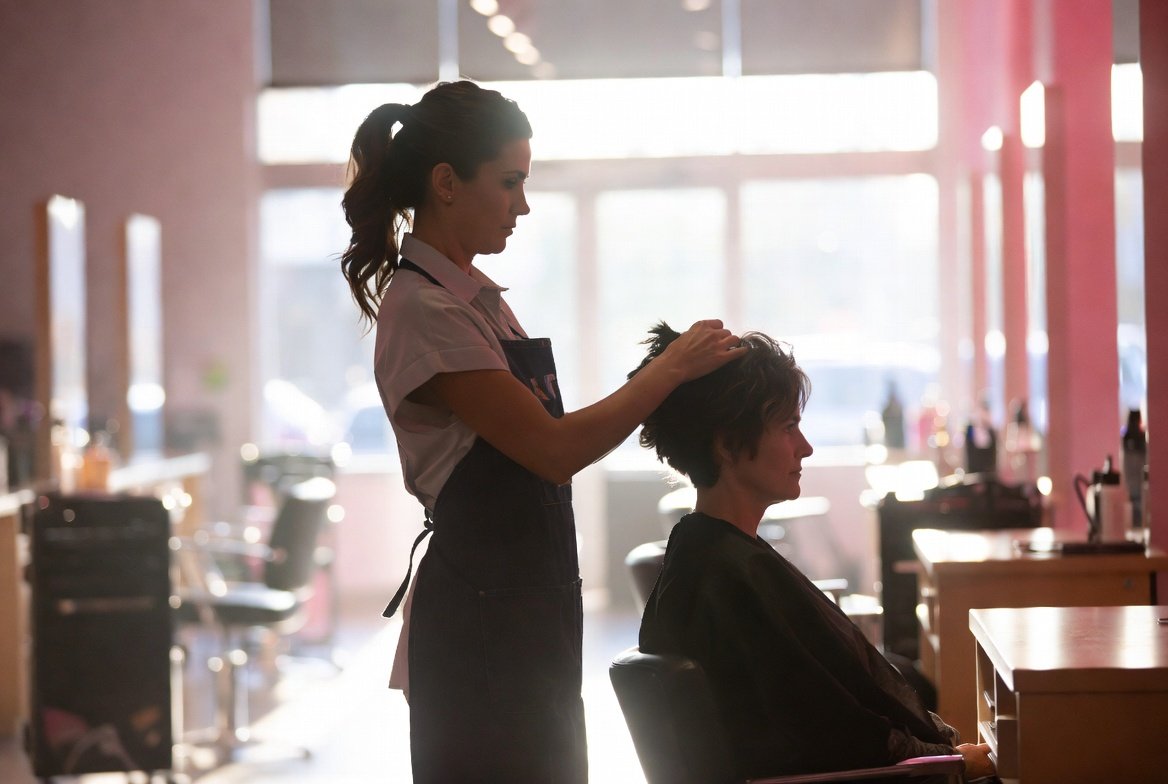
Everything You Must Know About Texas Booth Rental
If you're searching for information on booth rental Texas cosmetology rules, here's the most important thing to know first: TDLR eliminated the separate booth rental license. You no longer need a stand-alone permit to rent a station in Texas. However, that doesn't mean anything goes — your individual cosmetology license must stay active, sanitation rules still apply at your workstation, and your tax situation changes the moment you become a booth renter. This guide covers all of it in one place.
Quick Answer
- What: Booth rental in Texas no longer requires a separate TDLR permit — your active individual cosmetology license is all you need.
- Who: Any Texas cosmetologist, esthetician, or manicurist with a current TDLR individual license who wants to rent a station inside a licensed establishment.
- Key fact: Booth renters are independent contractors — you set your own hours, keep your own earnings, and handle your own taxes, including quarterly estimated payments.
- Action: Keep your license active with TDLR-approved CE →
Key Facts at a Glance
| Detail | Information |
|---|---|
| Separate booth rental license required? | No — eliminated by TDLR (effective 2024) |
| License you must hold | Active individual TDLR cosmetology, esthetician, or manicurist license |
| License renewal cycle | Every 2 years through the TDLR online portal |
| CE required for renewal | 4 hours (licensed under 15 years) or 2 hours (15+ years, effective Sept. 1, 2025) |
| Booth renter employment status | Independent contractor — not an employee |
| Tax filing requirement | Schedule C + self-employment tax; quarterly estimated payments to IRS |
| Mini-establishment vs. booth rental | Mini-establishment = enclosed suite with its own TDLR establishment license; booth rental = open station, no extra license |
| Sanitation rules | All TDLR sanitation requirements apply to your workstation regardless of booth rental status |
No Separate Booth Rental License Required
TDLR made it official: booth renters no longer need to apply for or renew a separate booth rental license. That announcement took effect in 2024, and it simplified the licensing landscape significantly for working cosmetologists across Texas. Your active individual cosmetology operator license — or esthetician or manicurist license, depending on your specialty — is all you need to legally rent a station inside a licensed establishment.
Before this change, Texas booth renters had to maintain two separate TDLR documents: their individual license and a booth rental permit. Now, the relationship between the renter and the salon owner is governed by your rental agreement and your individual license status. That's it.
What the Salon Owner Is Still Responsible For
Even though you don't need a separate permit, the salon owner does have specific obligations toward booth renters. They must keep a list of all renters — including names and license numbers — and the establishment itself must hold a current TDLR cosmetology establishment license. Your license must be displayed at your workstation in public view. So while your paperwork got simpler, the documentation requirements didn't disappear entirely.
Additionally, TDLR's lawful presence requirement, effective May 1, 2026, applies to all license renewals — including yours as a booth-renting cosmetologist. Make sure your documentation is in order before your next renewal date.
Booth Rental vs. Mini-Establishment: Know the Difference
One of the most common points of confusion in Texas cosmetology is the difference between a booth rental arrangement and a mini-establishment. They look similar on the surface — both involve renting space inside another salon — but they're treated completely differently under TDLR rules.
What Is a Booth Rental?
A booth rental is exactly what it sounds like: you lease a single workstation or chair inside an existing licensed cosmetology establishment. You use the common space, shared utilities, and the establishment's existing license to cover the facility. No separate establishment license is required on your part. Your individual cosmetology license covers you as the practitioner working at that station.
What Is a Mini-Establishment?
A mini-establishment is a step up in both structure and licensing obligation. It must be an enclosed room or suite — with actual walls separating it from the common area — located inside a licensed full-service cosmetology establishment. Because it functions as a separate, independently operated business, a mini-establishment requires its own TDLR establishment license. You'd apply for that separately through TDLR, in addition to maintaining your individual license.
In other words: if you rent a chair at a salon, you're a booth renter. If you rent a walled suite and operate it as your own business entity inside someone else's building, you may need a mini-establishment license. When in doubt, contact TDLR directly to confirm which category your arrangement falls into before you sign any lease.
Sanitation Rules Still Apply to You
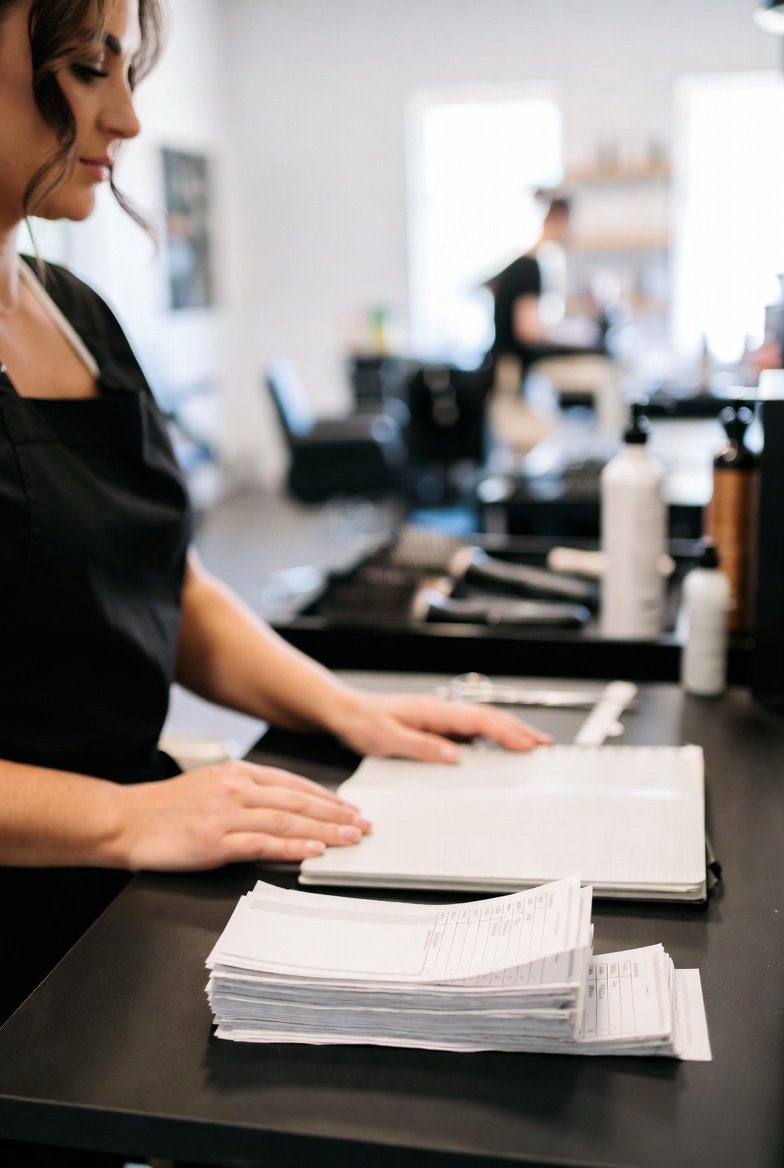
Booth rental status doesn't exempt you from TDLR's sanitation standards. Every rule that applies to a cosmetologist working in a traditional salon applies to you at your rented station. Inspectors won't overlook a booth renter's workstation during a facility visit — your area is subject to the same scrutiny as any other station in the building.
Your Responsibilities at Your Workstation
As a booth renter, you're responsible for keeping your own space compliant. That means properly disinfecting tools between every client, disposing of single-use items correctly, and never reusing implements that aren't meant to be reused. Combs, brushes, and implements must be cleaned and disinfected in an approved solution after each use. Anything single-use — like nail files or wax applicators — goes in the trash after one client.
Your current license must also be posted at your workstation where clients can see it. This isn't optional. TDLR inspectors look for license display as a standard inspection point, and a missing license — even an active one that simply isn't posted — can result in a citation.
Why This Matters for Your CE
Sanitation is one of the two mandatory topics in every TDLR-required CE course. Because you need to complete TDLR continuing education before every license renewal, you'll revisit sanitation standards every two years — which helps keep your compliance knowledge current. This is especially valuable for booth renters, since you're managing your own workstation without a salon manager overseeing your practices daily.

Taxes and Business Basics for Texas Booth Renters
When you shift from salon employee to booth renter, your entire tax situation changes. The IRS classifies booth renters as independent contractors — which means no one is withholding taxes from your earnings. You are responsible for tracking income, paying quarterly estimated taxes, and filing a Schedule C with your annual return.
Self-Employment Tax
As a self-employed individual, you'll owe self-employment tax on top of federal income tax. The self-employment tax rate is 15.3% on net earnings — this covers Social Security and Medicare contributions that a traditional employer would normally split with you. Most booth renters make quarterly estimated payments to avoid a large bill (and possible penalties) at the end of the year. The IRS uses Form 1040-ES for these payments, due in April, June, September, and January.
Deductions You Can Take
The upside of independent contractor status is a longer list of deductible business expenses. Common deductions for booth renters include:
- Booth rent payments to the salon owner
- Professional tools and supplies (shears, color, products)
- Business liability insurance premiums
- CE course fees and your TDLR license renewal costs
- Business-related mileage (at the current IRS standard rate)
- Marketing expenses like business cards and social media ads
- Self-employed health insurance premiums (subject to eligibility rules)
Keep every receipt. The IRS may ask for documentation, and organized records protect you if your return is ever reviewed. A tax professional who works with self-employed beauty professionals can help you identify every deduction that applies to your specific situation — the savings often exceed the cost of the consultation.
Your CE and License Renewal Still Required
Becoming a booth renter doesn't change your CE or renewal obligations at all. Your individual cosmetology license still expires every two years, and you must complete TDLR-approved continuing education before you can renew it. The hours required depend on how long you've been licensed:
- Licensed under 15 years: 4 hours of TDLR-approved CE per renewal cycle
- Licensed 15 or more years: 2 hours of TDLR-approved CE (effective September 1, 2025)
Those CE hours must include 1 hour of sanitation and 1 hour of human trafficking prevention as mandatory topics. The remaining hours are elective content. For the continuing education cosmetology Texas requirement, only TDLR-approved courses count — completing hours through an unapproved provider won't satisfy your renewal requirement.
Why This Matters More as a Booth Renter
As an employee, a salon manager might remind you when your renewal is coming up. As a booth renter, that responsibility falls entirely on you. TDLR sends a renewal notice about 60 days before your expiration date — but not receiving that notice doesn't excuse late fees. You need to track your own deadline and make sure your CE hours are completed and posted in the TDLR system before you submit your renewal.
Also remember that before renewing, you'll need to verify your CE hours appear in the TDLR portal. There's typically a short processing window after course completion before hours show up. If you complete CE close to your deadline, build in a few extra days. If hours are missing, contact your CE provider first — they can often resolve posting issues quickly.
For complete renewal steps, fees, and portal instructions, see the TDLR cosmetology license renewal guide, which covers all license types and the 2026 lawful presence requirement.
Ready to check your CE off the list? Complete your TDLR-approved course online — available 24/7, at your own pace.
Start Your CE Course Now →Frequently Asked Questions
Do I need a separate booth rental license in Texas?
No. TDLR eliminated the separate booth rental license. As long as your individual cosmetology license is active and current, you can legally rent a booth inside any licensed Texas cosmetology establishment.
What license do I need to rent a booth in Texas as a cosmetologist?
You need your active individual TDLR cosmetology operator license. No additional booth-specific permit is required. Keep your license current by completing your CE hours and renewing every two years through the TDLR portal.
What is the difference between a booth rental and a mini-establishment in Texas?
A booth rental is a single workstation inside an existing licensed salon. A mini-establishment is an enclosed, walled suite inside a licensed establishment — it functions as its own separate business and requires its own TDLR establishment license. Booth renters do not need an establishment license; mini-establishment operators do.
Are Texas booth renters considered independent contractors?
Yes. Booth renters are independent contractors, not employees. You set your own hours, keep your own earnings, pay your own taxes, and are responsible for your own business expenses. The salon owner cannot control how you perform services.
What taxes does a Texas booth renter have to pay?
As a self-employed independent contractor, you pay federal income tax, self-employment tax (15.3% on net earnings), and any applicable state taxes. You're responsible for making quarterly estimated tax payments to the IRS and filing a Schedule C with your annual return. A tax professional can help you maximize deductions specific to booth renters.
What sanitation rules apply to booth renters in Texas?
Booth renters must follow all TDLR sanitation rules that apply to the establishment — including proper disinfection of tools between clients, maintaining a clean workstation, and disposing of single-use items correctly. Sanitation compliance is a mandatory topic in your TDLR-required CE course.
Do I still need continuing education if I rent a booth?
Yes. Booth rental does not affect your CE obligation. You still must complete 4 hours of TDLR-approved CE every two years before renewing your individual cosmetology license — or 2 hours if you've held your license for 15 or more years (effective September 1, 2025).
Sources: TDLR Mini-Establishment FAQs · TDLR Establishment License · IRS Independent Contractor Forms and Taxes