
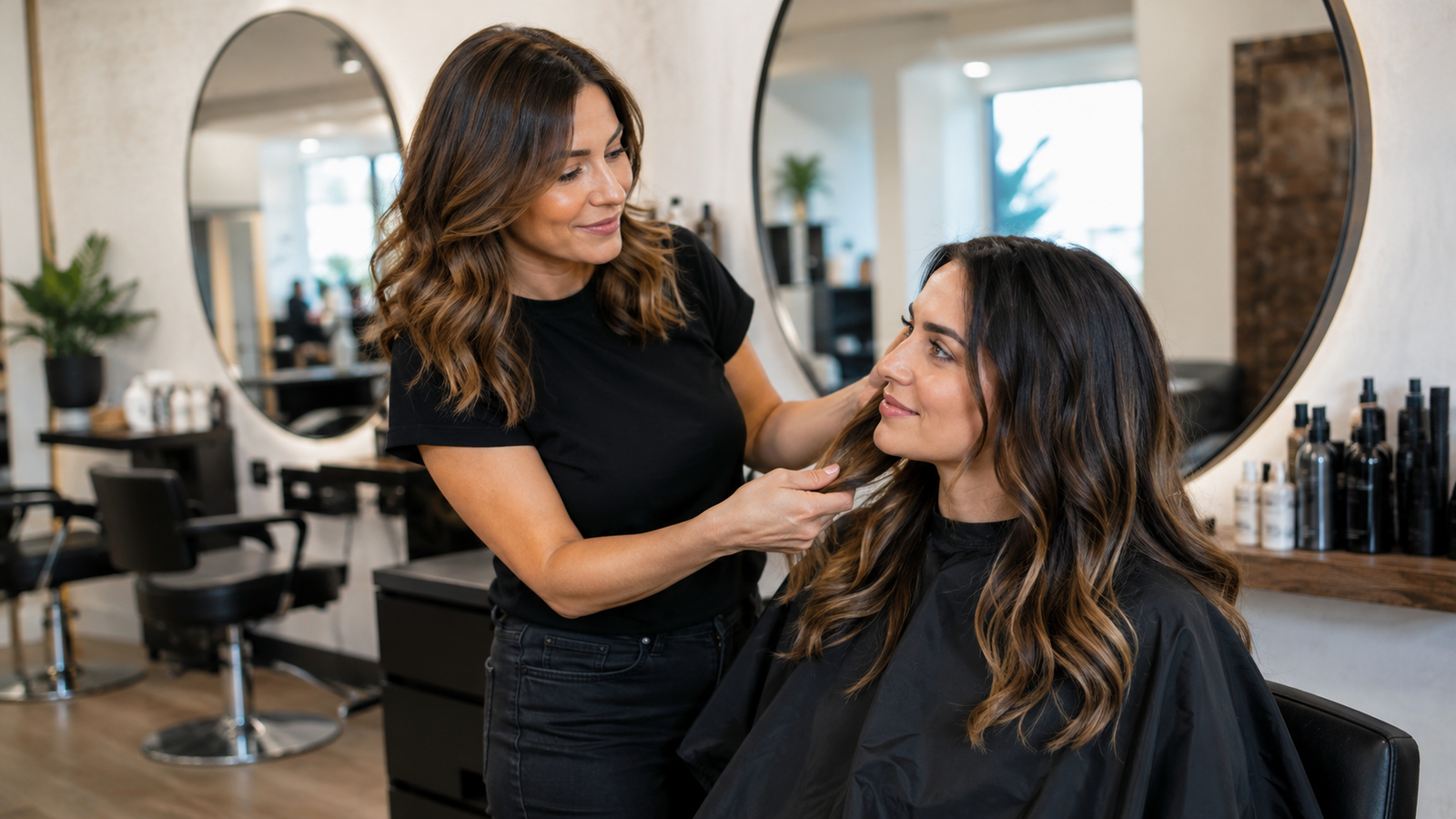
cosmetology career paths
Cosmetology Career Paths: More Options Than You Think
Cosmetology career paths in Texas branch out fast once you hold a license. License type, work setting, and specialization all combine differently for each person.
Quick Answer
- Texas offers several individual license types: operator, esthetician, manicurist, eyelash extension specialist, and hair weaving specialist.
- Work settings vary widely — booth rental, commission employee, salon owner, or mini-establishment operator.
- CE hours stack: completing CE for one license satisfies the requirement for every other individual license you hold at once.
- A combined manicurist/esthetician license opens both nail and skin services under one credential.
- Your path can shift over time as you add licenses, change settings, or specialize.
The License Types Behind Cosmetology Career Paths
Cosmetology career paths start with a license choice. Texas offers several types. Each one opens a different set of services.
The operator license covers hair, skin, and nails. Broadly. The esthetician license focuses on skin and facials. The manicurist license covers nails only. TDLR also issues two more: eyelash extension specialist, and hair weaving specialist. Narrower niches, both of them.
A combined license exists too. Manicurist plus esthetician. It opens both nail and skin services under one credential. Earn it through an 800-hour combo course. Or finish both sets of hours on their own.
Each license has its own hour count. Its own exam too. Picking one doesn't lock you out of adding another later.
Many licensees add a second individual license over time — like pairing manicurist with esthetician — to widen the services they can legally offer.
Where You Work Changes Your Path
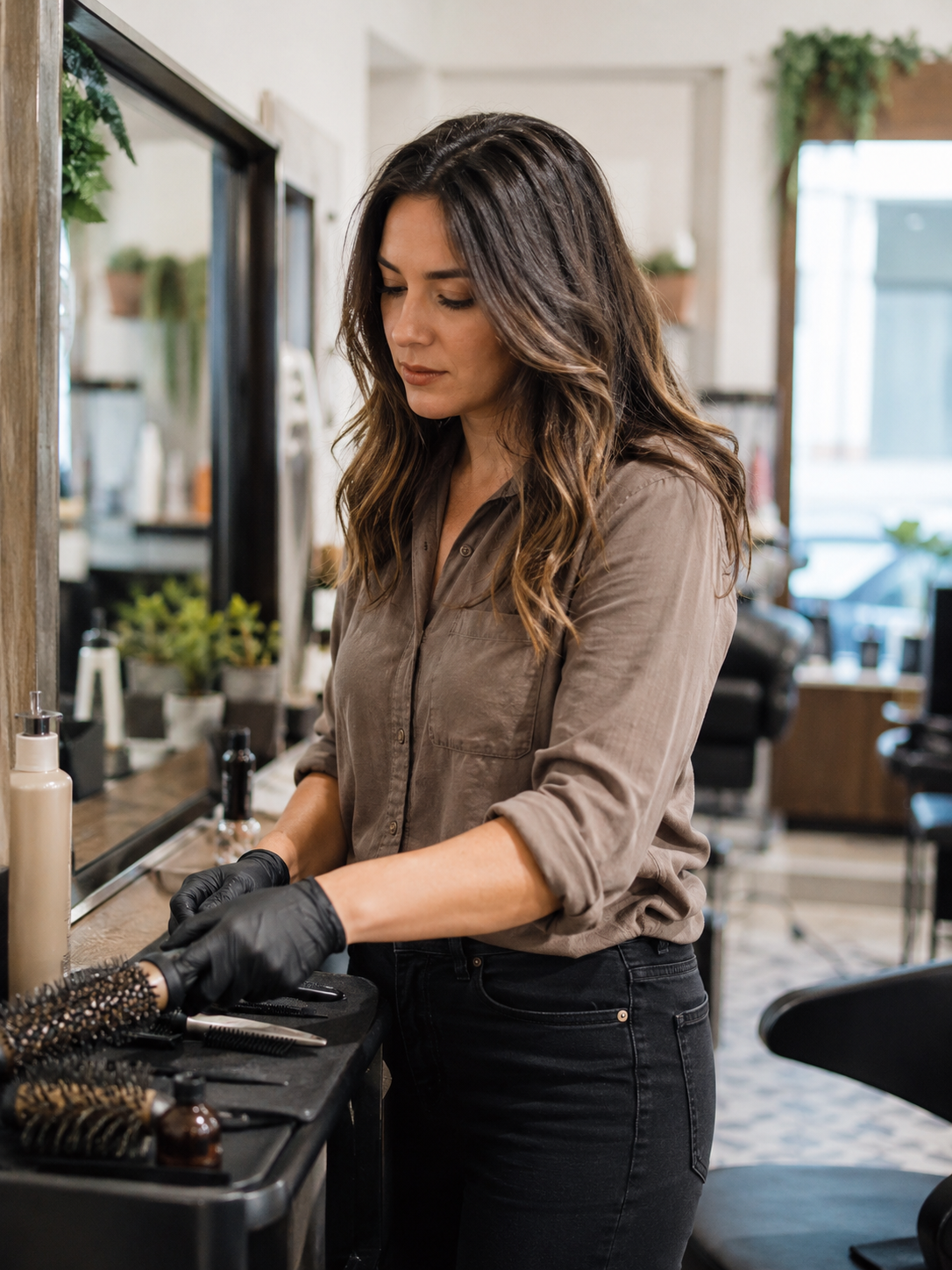
License type is only half the picture. Where you work shapes your career just as much.
Booth rental is common. You lease a station inside a licensed salon. You use your own active license. No separate booth license is needed. TDLR dropped that requirement in 2024.
Commission work is different. You're an employee. You earn a cut of each service. Scheduling is often steadier than booth rental.
Salon ownership is a bigger step. Some owners open a full establishment. Others run a mini-establishment instead. That's an enclosed suite inside another salon. It runs as its own business, under its own TDLR license.
- Booth rental inside an existing licensed salon
- Commission-based employee work
- Full salon ownership
- Mini-establishment suite ownership
Choosing and Adjusting Your Path
There's no single right cosmetology career path. What fits changes as your skills, goals, and life shift.
Some licensees stay booth renters for their whole career. They value the independence. Others move toward commission work instead. Steadier income while building a client base. Some eventually open a salon or a suite, once they've built a following to support it.
Income potential differs across these paths. So does the pay structure itself. Compare how each setting affects income before you commit to a direction.
Your license doesn't box you in. Adding a second license, changing settings, or specializing in a niche service are all normal moves within a long career.

Frequently Asked Questions
What license types fall under cosmetology career paths in Texas?
TDLR issues individual licenses for cosmetology operator, esthetician, manicurist, eyelash extension specialist, and hair weaving specialist, plus a combined manicurist/esthetician option.
Can I hold more than one cosmetology license at once?
Yes. Many licensees add a second license over time, and CE stacking means one cycle of hours can satisfy every individual cosmetology license held at the same time.
What work settings are common across cosmetology career paths?
Booth rental, commission-based employee work, full salon ownership, and mini-establishment suite ownership are the most common settings.
Do I need a separate license to rent a booth?
No. TDLR eliminated the separate booth rental license in 2024. An active individual license is all that's required to legally rent a station in a licensed salon.
Does CE stacking apply across cosmetology and barber licenses?
No. CE stacking applies within the cosmetology license family only — it does not extend to a barber license held alongside a cosmetology license.